


For ages, the typical trajectory of professional triumph has been to move to a large city and pursue the highest-paying job; neither succeeded in dodging the traffic and commuted weekly to work.
Financial sector centric or tech centric, the centers of an extensive municipality attracted fresh talent, largely owing to the availability of better opportunities, such as widening one’s professional horizons through networking. Pandemonium of equally bad traffic was looked on as a mild inconvenience in the face of the joys of being part of that city.
However, the pendulum has drastically swung. By 2026, it will so happen that a sizable number of skilled workers will be taking the opposite direction. They will abandon the heartburn of the ailing Tier-1 hubs and move into the clipped pace and budding potential of the sprawling Tier-2 cities.

The Economic Logic behind the Moving
It is essentially a case of an urgent financial lesson” (where the cost of living in major metropolitan areas has taken a completely different trajectory from increasing wages)-strengthening our belief that this would help to stabilize even the higher-paid middle-class professionals.
- Real Estate Value: In a Tier-2 city, most likely, one will find a luxury house with open spaces for the price of a claustrophobic studio in downtown Manhattan.
- Overhead Paralysis: Food, means of transport, phone, and electrical bills are much lower in cost. This translates into more disposal income.
- Wealth Creation: Once you bring down the lead cement of an increased fixed cost, one can move from the ‘scraping by’ groups to the ‘wealth managing.’
In these burgeoning new markets, professional classes are becoming more distant from the hyper-specific commercial niches of old. No longer, they repetitively sought various transient services such as Delhi call girls, casually delivered in the anonymity of crowded metros. Instead, the focus is on long term stability and local integration, allowing them to reinvest the savings into their community, and for securing their own future.
Digital Infrastructures and Remote Work
The old canard that Tier-2 cities are without infrastructure for modern business is no more. The digital divide is as good as narrowed. In many fields, the physical office is now just optional.
Companies have come to acknowledge that talent cannot be confined by a ZIP code. The proliferation of fiber optics, 5G networks, and cloud based collaboration tools have led to a reality where professional workers can work from anywhere.
- Seamless Connectivity: Undoubtedly, many big cities like Indore, Mysuru, and Chandigarh have better connectivity compared to many Tier-1 cities.
- Global Interaction: Distance does not hinder a plethora of teams who, thanks to the project management software, are working from-the world at a distance.
- Corporate Decentralization: This reorganisation involves the same corporations among the Fortune 500 which are now opening “satellite offices” in Tier-2 towns for cost competitiveness and a more steady labour pool.
The native phase also allows the professionals to be in touch with their career worldwide but enjoy a local life. In the morning, you are leading a team that is in a different time zone while, in the afternoon, you may be sitting in a local park far away from the sensory bombardment of a Tier-1 commercial hub.
Social Dynamics have been changed.
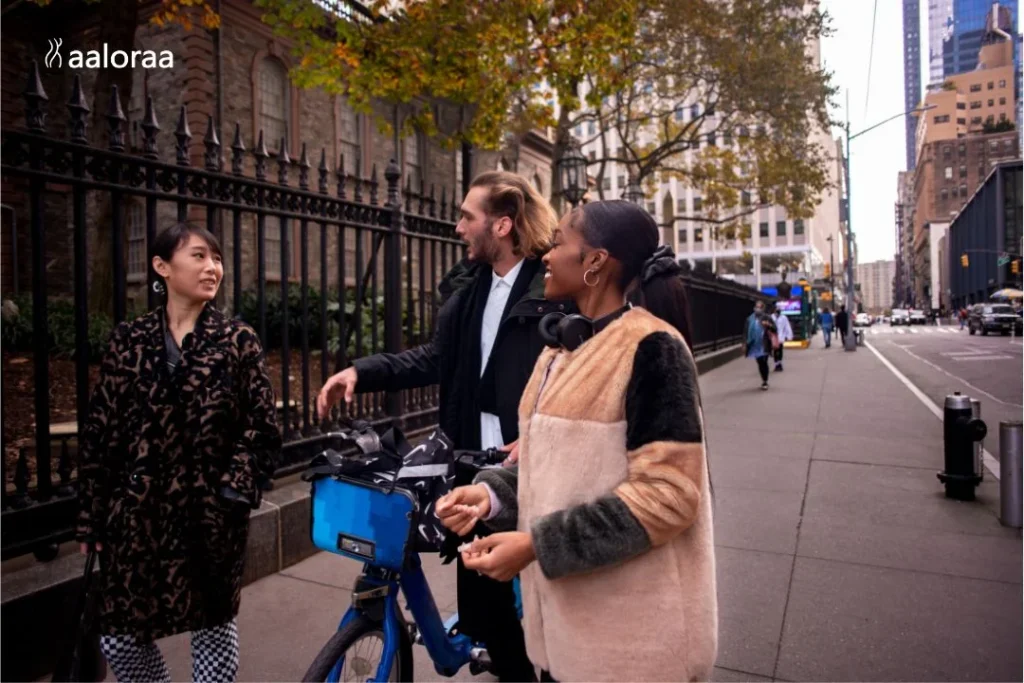
One of the biggest and most noticeable changes for a disillusioned local individual in every sense of the word happens to be company evolution. In a megalopolis, the social scene is dominated by transactions, the big city itself creating the geographical frictions that limit social life.
The change in pace could perhaps be compared to pulling away from global hubs where high-end Leeds escorts might crowd the space. The modern professional finds the high stimulus serenic experience of such big cities vanishing, coming to the conclusion that his ultimately robust local connections do offer a remarkable lifestyle.
Using this mode, they can say for sure that deepened local relationships offer more “interest” in one’s health than the pleasures of a vast energetic city, which dissuades such a process for concentrating on the private stakes of the self.
Prioritizing Mental Health and Well-being
Overpopulation, pollution, and head to head competition factors all ubiquitous in Tier 1 cities strengthen stress and various mental illnesses. The fast lane is one thing that most professionals are actually considering as an unnecessary expense, because it is costing them quite a bit of stress.
- Travel Time: Getting back two hours a day from a commute means another 10 per week for family, exercise, or a little shuteye.
- Green Spaces: A great deal of green space is closer and easier to find in Tier 2 cities compared to gigantic ones, leading to lesser levels of anxiety.
- Tempo of Life: Smaller cities are becoming the impromptu home of the “slow life” concept where one has the chance to integrate work with life.
Real world distinctions in adult entertainment may have gotten somewhat blurred in favor of something like Pune call girls in tourist heavy destinations. The professional is now looking towards a slower, deliberate existential order that values time over evanescent commercial ephemera of the urban environment, preferring to seek releases in local hobbies more fulfilling.
The Future of Decentralized Talent
The development of Tier-2 City is no more than a momentary phenomenon. This sudden urbanization shift is a step toward a more permanent structural transformation and reorganization of society. Population flow precipitates the appearance of infrastructure.
With this step, we can decisively turn to a new era wherein the next decade in the metro areas will not be just about an activity ground but will become a way of life for people intended as a 2020 man and a 2020 woman, successful not only in their career peaks or close commercial skyscrapers.
It is more about the quality of riding than the stability at home and does well in a setup that makes their well-being a clear concern. The primary drivers of economic and social advances for the next generation of workers will be the cities as they reach full maturity.


Related Posts

Jerry Van Dyke’s net worth : Jerry Van Dyke Biography, Career, Age, Cause of Death & More

Max Baer at 103 – Boxing Legend and Silver Screen Star

Exploring Tucker Carlson’s Wife Susan Andrews: Her Heiress Background, Net Worth, Age, Height, and More
